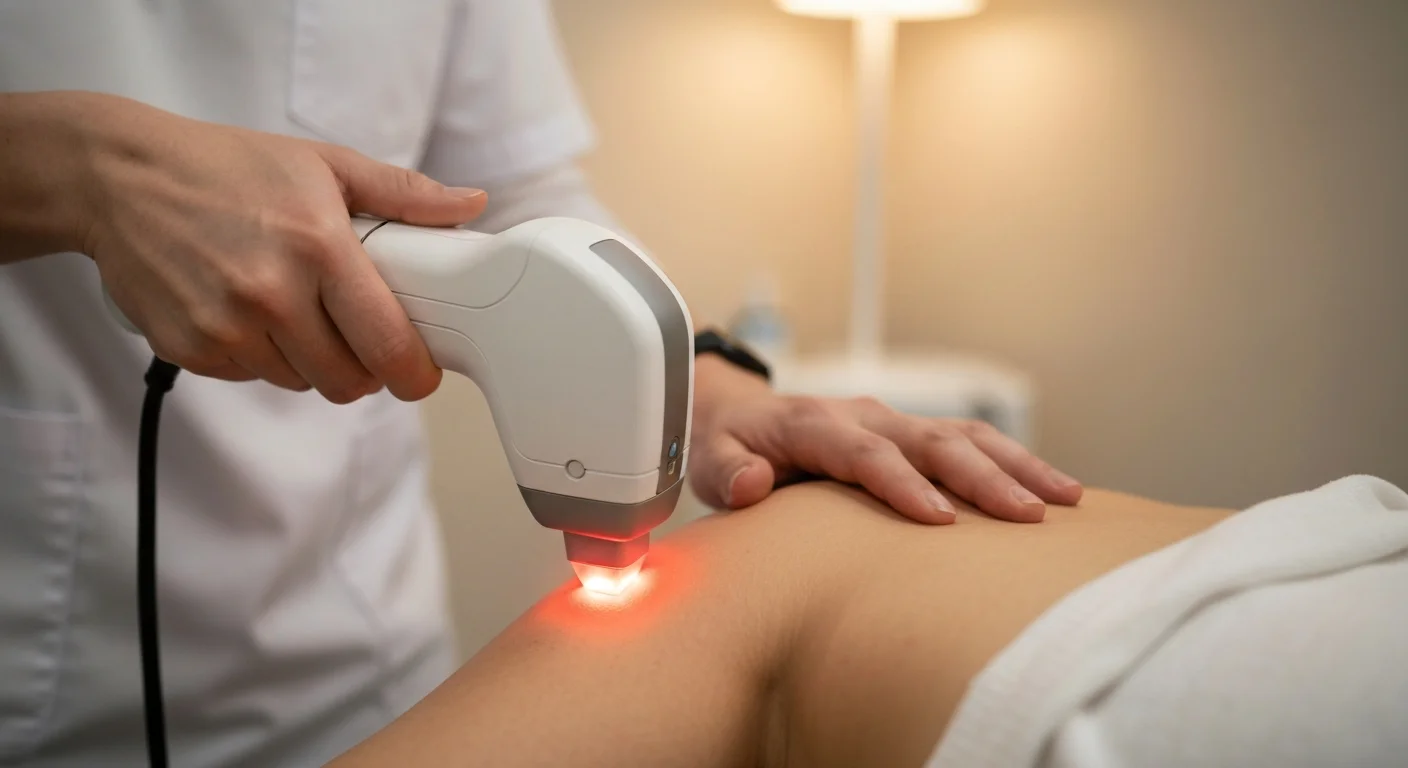
For patients seeking rapid, non-invasive relief from chronic joint, muscle, or neuropathic pain, selecting the correct clinical modality is crucial for long-term recovery. For superficial tissue injuries and localized joint inflammation, low-level cold laser therapy serves as an exceptional non-thermal treatment to accelerate cellular repair. Conversely, for deep-seated spinal pathologies and severe joint degeneration, high-power Class IV laser therapy offers the deep tissue penetration necessary to stimulate metabolic healing. Clinicians recommend Class IV systems for deep structural conditions, while reserving Class IIIb systems for delicate tissues and smaller, superficial joints. This strategic therapeutic selection ensures targeted energy delivery directly to compromised cells without risks of thermal tissue damage or pharmaceutical dependence. Understanding the specific mechanisms of photobiomodulation allows patients to make informed decisions alongside their pain specialists.
Key Takeaways

- Laser therapy stimulates cellular ATP production, which accelerates tissue repair and reduces localized inflammation.
- Cold laser therapy is ideal for superficial tissues, whereas high-power Class IV lasers target deep muscle and joint pain.
- Standard protocols typically require 6 to 12 sessions, with average costs ranging from $60 to $150 per session.
- The treatment is entirely drug-free and non-invasive, presenting minimal risks when administered by certified clinicians.
- Protective eyewear is mandatory during treatment to prevent accidental retinal exposure to the laser beam.
What is Laser Therapy?
Laser therapy represents a highly precise medical intervention that utilizes focused, monochromatic light to elicit beneficial physiological changes within human tissue. Unlike industrial or surgical lasers designed to cut, ablate, or cauterize tissue, therapeutic lasers utilize specific wavelengths of light within the visible and near-infrared spectrum to stimulate cellular recovery. The scientific community formally refers to this non-thermal process as photobiomodulation. Clinicians use these targeted light waves to treat a wide array of acute and chronic musculoskeletal conditions.
In a clinical pain management setting, laser therapy serves as a primary non-invasive modality to mitigate discomfort, enhance blood circulation, and accelerate tissue regeneration. The physical characteristics of laser light—namely monochromaticity, coherence, and collimation—allow it to penetrate deep into target tissues with minimal scattering. This unique delivery mechanism allows concentrated light energy to reach damaged cells directly without affecting the surrounding healthy tissue. As clinical technology advances, modern practices increasingly utilize these light-based therapies as a core component of comprehensive rehabilitation protocols.
How Does Laser Therapy Work at a Cellular Level?
Understanding how therapeutic laser applications interact with biological tissue requires looking at the cellular level. When the clinician applies the laser emitter to the skin, photon energy penetrates the subcutaneous layers to reach the mitochondria of damaged cells. The primary photoreceptor responsible for absorbing these photons is cytochrome c oxidase, an essential enzyme within the mitochondrial respiratory chain. Once excited by the light, this enzyme increases the synthesis of adenosine triphosphate (ATP), which serves as the primary chemical energy currency for cellular functions.
Furthermore, this stimulation promotes the transient release of nitric oxide, a potent vasodilator that enhances local microcirculation and oxygen delivery. This process also modulates reactive oxygen species, which helps activate transcription factors that drive cellular repair and gene expression. Consequently, the cells transition from a state of inflammatory stress to active regeneration, speeding up the healing of muscles, tendons, and nerves. This biological cascade explains why patients experience rapid tissue repair and accelerated recovery cycles following consistent clinical applications.
What Does Laser Therapy Do for the Body?
On a systemic and tissue level, therapeutic laser application performs several critical physiological functions. First, it actively downregulates pro-inflammatory cytokines while upregulating anti-inflammatory growth factors, which significantly reduces localized edema. Second, the treatment alters nerve conduction pathways by decreasing the transmission of pain signals along nociceptive fibers. It stimulates the release of endogenous opioids, such as beta-endorphins, which naturally suppress pain perception.
Third, laser energy stimulates fibroblasts to synthesize collagen, the fundamental building block for soft tissue repair, which improves the tensile strength of healing ligaments and tendons. Additionally, the therapy promotes angiogenesis, which is the formation of new capillaries in damaged tissues, ensuring a sustained supply of nutrients. These combined actions not only alleviate immediate discomfort but also systematically address the underlying structural damage causing the pain. By restoring cellular energy balance, the therapy helps prevent chronic scar tissue formation and improves long-term functional mobility.
Types of Laser Pain Therapy and Cold Laser Applications
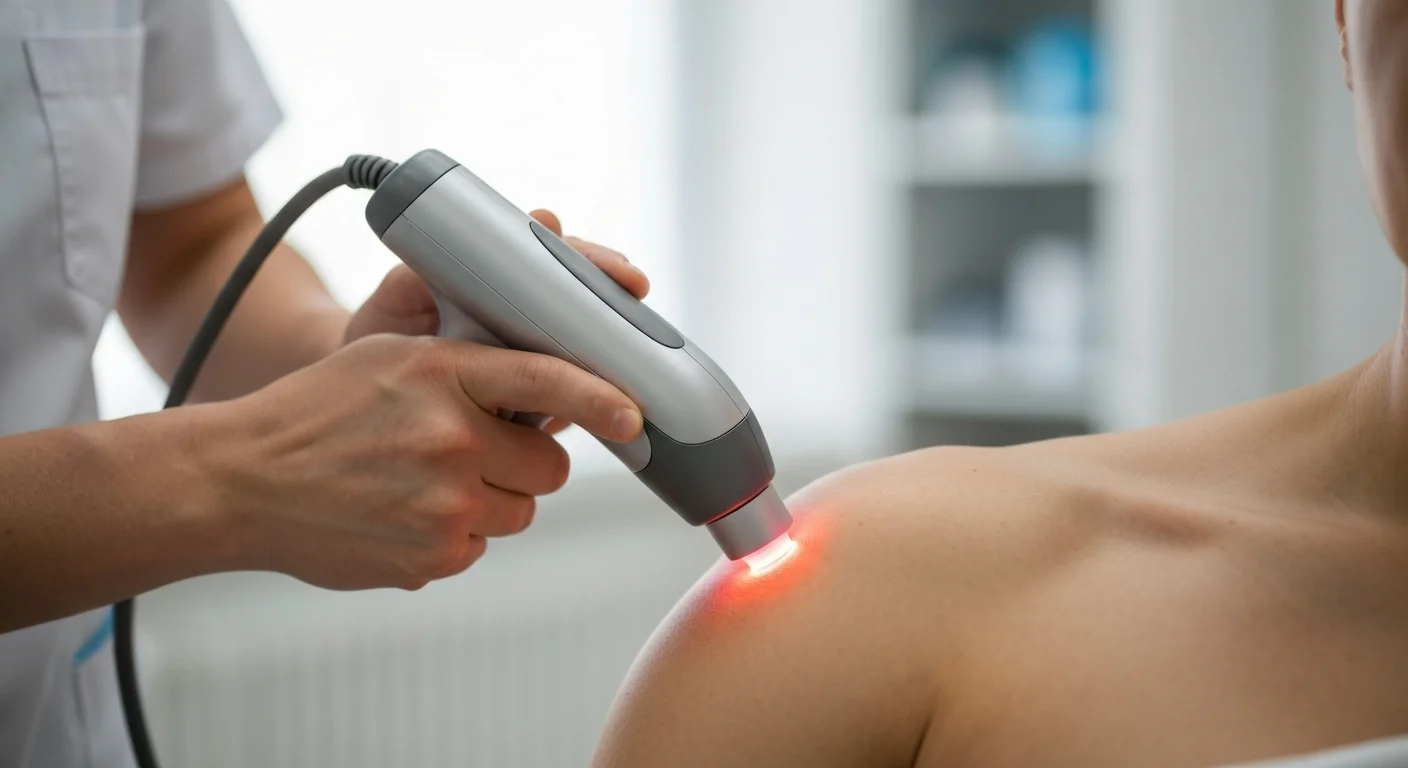
When designing a treatment plan, clinicians categorize therapeutic lasers into specific classes based on their power output and clinical indications. Low-Level Laser Therapy (LLLT), commonly known as cold laser therapy for pain, utilizes Class IIIb lasers with a power output of less than 500 milliwatts. These devices do not emit heat, making them exceptionally safe for treating superficial tissues, small joints, and delicate areas like the hands or cervical spine. Patients undergoing cold laser therapy typically feel no physical sensation during the application.
In contrast, Class IV laser pain therapy utilizes higher-powered lasers, typically ranging from 1 to 15 watts or more. While Class IV lasers produce a mild, soothing warmth on the skin, they are highly valued for their ability to deliver deeper therapeutic doses to large muscle groups and deep joints. According to a systematic review published by the Cochrane Library, photobiomodulation demonstrates moderate-to-strong efficacy in reducing chronic joint pain when applied at optimal dosimetric parameters. Clinicians must carefully match the laser classification to the depth of the target tissue to ensure effective clinical outcomes.
Comparison of Laser Therapy Systems
The selection between Class IIIb and Class IV devices depends heavily on the anatomical location of the pathology. Below is a comparative overview of the primary differences between these two prominent therapeutic systems used in clinical settings today.
| Feature/Specification | Class IIIb (Cold Laser) | Class IV (High-Power Laser) |
|---|---|---|
| Power Output | Under 500 milliwatts (0.5W) | 500 milliwatts to 15+ watts |
| Penetration Depth | Up to 2 centimeters | Up to 6 to 8 centimeters |
| Thermal Sensation | None (Cold) | Mild, soothing warmth |
| Average Treatment Time | 15 to 30 minutes | 5 to 10 minutes |
| Primary Target Tissues | Superficial tendons, small joints, skin | Deep spinal joints, large muscle groups |
While both systems utilize the underlying principles of photobiomodulation, their clinical efficiency varies significantly. Class IIIb devices require longer application times to deliver an equivalent energy dose to deeper tissues, which often makes them less practical for deep lumbar or hip pathologies. Class IV devices deliver therapeutic doses rapidly, allowing a practitioner to treat a large area, such as a patient’s lower back, in under ten minutes. However, clinicians must continuously move the Class IV emitter to avoid thermal build-up and potential surface burns on the patient’s skin.
Common Indications and Laser Therapy for Pain Management
Therapeutic lasers offer a versatile, non-pharmacological option for treating a broad spectrum of musculoskeletal and neuropathic disorders. For patients experiencing degenerative joint disease, utilizing photobiomodulation for joint pain relief has become a cornerstone of modern conservative care. Clinicians frequently prescribe laser therapy to address chronic osteoarthritis of the knee, hip, and shoulder, where it helps reduce joint stiffness and improves mobility.
Additionally, patients suffering from disc herniations, facet joint syndrome, and general spinal stenosis benefit from deep tissue laser protocols designed to calm inflamed nerve roots. The technology is also highly effective for soft tissue injuries, including plantar fasciitis, Achilles tendinitis, and rotator cuff tears. By stimulating cellular repair directly at the site of injury, laser treatments help patients recover functional movement quickly, allowing them to participate more fully in physical therapy. This therapeutic synergy often reduces the overall recovery time by several weeks.
What to Expect During and After a Laser Pain Therapy Session
A standard therapeutic laser session is a straightforward, outpatient procedure that requires minimal preparation from the patient. To ensure clinical safety and optimal outcomes, both the clinician and the patient must follow a strict procedural protocol.
- Safety Eyewear: Both the patient and the clinician must wear wavelength-specific protective goggles to protect their retinas from accidental laser exposure.
- Skin Preparation: The clinician cleans the target area to remove any topical lotions, oils, or sweat that could reflect or scatter the incoming light beam.
- Emitter Placement: The practitioner places the laser probe either in direct contact with the skin or slightly above it, moving it in a slow, continuous sweeping motion.
- Energy Delivery: The device delivers a predetermined dosage of laser energy, measured in Joules per square centimeter, tailored to the patient’s specific tissue depth and pathology.
- Post-Treatment Evaluation: The clinician assesses the treated area for any immediate changes in range of motion, pain levels, or localized skin sensitivity.
Following the treatment, most patients can immediately return to their normal daily activities without any restrictions or downtime. Some individuals report a slight, temporary increase in localized soreness or warmth as the inflammatory response is stimulated, which typically resolves within 24 hours. A common professional mistake is over-treating an area, which can saturate the photoreceptors and temporarily halt the healing cascade, emphasizing the need for precise dosage protocols.
Clinical Efficacy, Scientific Evidence, and Safety

The clinical efficacy of photobiomodulation is supported by a growing body of peer-reviewed scientific literature. A randomized controlled trial archived by the National Institutes of Health demonstrated that Class IV laser therapy combined with physical exercise produced a statistically significant reduction in chronic low back pain compared to exercise alone. This scientific validation highlights the clinical shift toward non-invasive, light-based modalities in contemporary pain management.
While the therapy is exceptionally safe, practitioners must strictly observe standard medical contraindications. Laser energy should never be applied directly over an active malignant tumor, as the cellular stimulation could theoretically encourage neoplastic growth. Additionally, clinicians must avoid applying the laser over the thyroid gland, the pregnant uterus, or directly over active cardiac pacemakers. By adhering to these strict safety guidelines, pain specialists can deliver highly effective treatments while maintaining an exemplary patient safety profile. The lack of systemic side effects makes it a preferred option for elderly patients or those with multi-organ pathology.
Costs and Financial Considerations for Patients
When planning for laser treatment, patients must consider the financial aspects, as insurance coverage for photobiomodulation can vary. Currently, most major private insurance providers and Medicare classify therapeutic laser applications as investigational, meaning they rarely cover the service directly. However, if the clinic administers the laser therapy as part of a broader physical therapy or chiropractic session, a portion of the overall treatment fee may be reimbursable under specific therapeutic modality billing codes.
On average, a single session of laser therapy ranges from $60 to $150. Because achieving optimal tissue healing typically requires a cumulative approach, clinics usually recommend a package of 6 to 12 sessions, which can cost between $500 and $1,500. While these out-of-pocket expenses can seem significant, laser therapy often proves highly cost-effective in the long run by helping patients avoid expensive surgical interventions, ongoing prescription medication costs, and lost wages due to chronic pain. Patients are encouraged to discuss flexible payment plans or package discounts with their clinic’s billing coordinator.
FAQ
What is the difference between cold laser therapy and hot laser therapy?
Cold laser therapy uses Class IIIb lasers with less than 500 milliwatts of power, producing no heat and targeting superficial tissues. Hot laser therapy, or Class IV laser therapy, uses higher power outputs to penetrate deeper tissues, generating a mild, soothing warmth during treatment.
How many laser therapy sessions are typically needed to see results?
Most patients require 6 to 12 sessions to achieve significant, long-lasting pain relief and tissue repair. While some acute conditions show improvement after 2 to 3 visits, chronic conditions generally require a cumulative approach over several weeks.
Which medical conditions respond best to therapeutic laser treatment?
Laser therapy is highly effective for osteoarthritis, chronic back pain, neck pain, plantar fasciitis, carpal tunnel syndrome, tendonitis, and neuropathic conditions. It is particularly beneficial for inflammatory joint pain and soft tissue strains.
Is laser therapy for pain safe for patients with metal implants?
Yes, laser therapy is completely safe to use over surgical metal implants, joint replacements, and internal fixation devices. Unlike ultrasound therapy, laser light does not heat metal, making it an excellent post-operative recovery tool.
Can laser pain therapy be combined with other medical treatments?
Yes, laser therapy integrates exceptionally well with other physical medicine modalities, including physical therapy, chiropractic adjustments, and joint injections. Combining therapies often yields synergistic effects, accelerating overall tissue healing and recovery times.
When should a patient avoid undergoing laser therapy?
Patients should avoid laser therapy if they have active cancer tumors, are pregnant (avoiding application over the uterus), have a cardiac pacemaker (avoiding the chest area), or are taking photosensitizing medications. A qualified pain specialist will screen for these contraindications prior to treatment.